
Types and Principles of Bicycle Springs
Common types of bicycle springs are as follows:
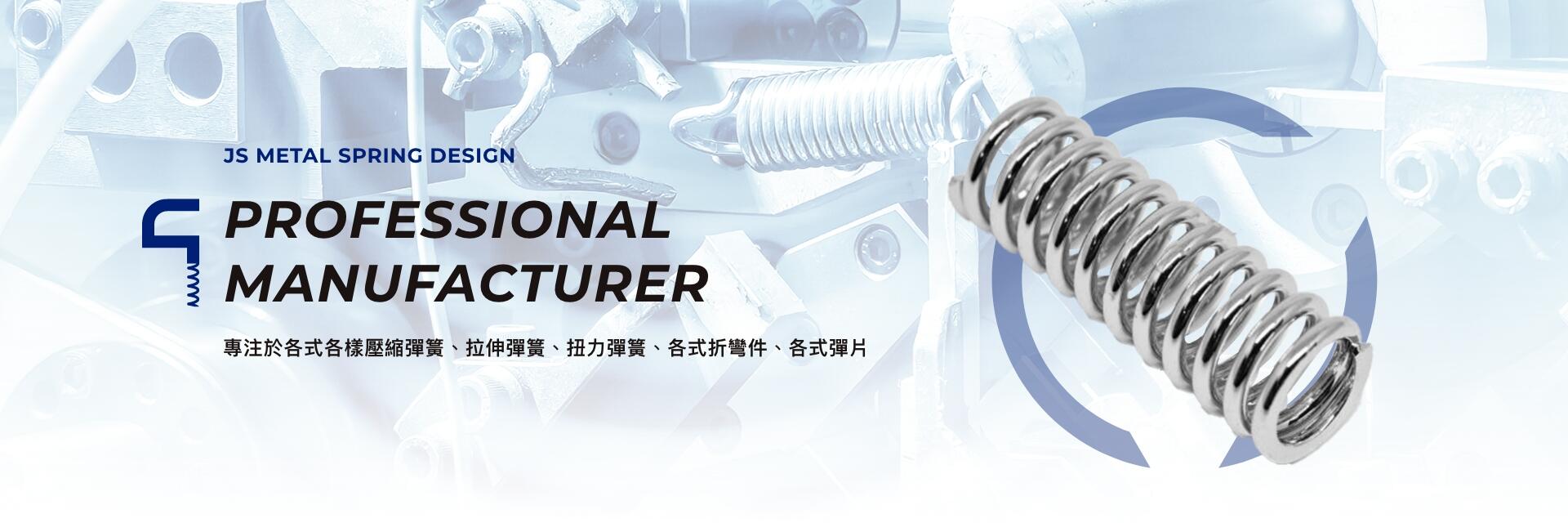
Coil Springs:
Principle: These springs absorb vibrations through the compression or extension of the coils.
Advantages: Simple structure and low cost.
Disadvantages: Slower rebound speed, which may not be sensitive enough for high-speed riding or off-road terrain.
Air Springs:
Principle: These springs use the elasticity of compressed air to absorb vibrations.
Advantages: The spring stiffness can be adjusted by changing the air pressure, making it suitable for different rider weights and riding styles.
Disadvantages: Regular pressure checks are necessary, and the spring is sensitive to temperature changes.
Hydraulic Springs:
Principle: These combine oil damping with the characteristics of a spring to provide better damping effects.
Advantages: Adjustable damping, offering more precise control.
Disadvantages: Complex construction and higher cost.
